
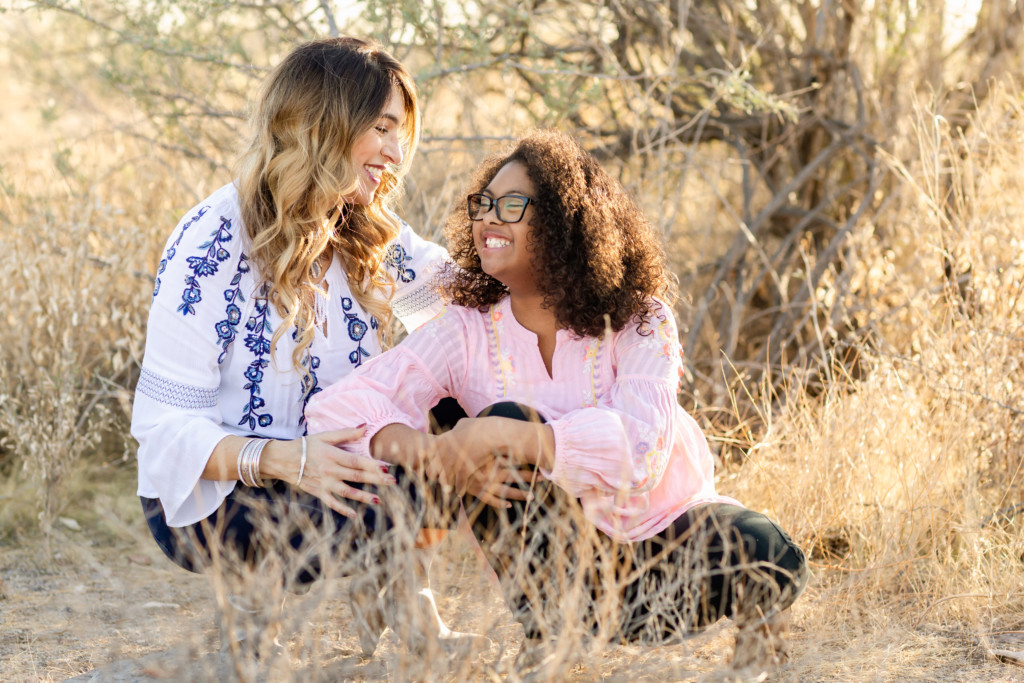
“No food or drinks past this point.” My daughter proudly read this sign before almost walking onto the basketball court with her soda. At first glance, this might not seem very impressive for an eighth grader, but most people wouldn’t believe it was possible for a student with a cognitive disability. In fact, in the delivery room, one of the first things my doctor said about my daughter was that she may never be able to read. Yet today my beautiful eighth grader exemplifies why making literacy the goal for all students should be non-negotiable—even if it takes a student longer than the usual three grades to master the skill.
In 2002, Governor Jeb Bush led Florida to launch a groundbreaking K-3 reading program Just Read, Florida! When third-grade reading scores soared in the Sunshine State, other states noticed. Today, six states, including my home state of Arizona, are using similar comprehensive policies to address their early literacy crises and ensure students are reading on grade level by the end of third grade.
These statewide programs combine supports and early interventions to address students’ specific reading needs and ensure third-grade students demonstrate sufficient reading skills before they are promoted to fourth grade. When policymakers designed these programs, they included a sensible exemption from retention for students with disabilities if a student’s individualized education program (IEP) team decides that promotion is appropriate. Now—twenty years later—it’s time for states to explicitly analyze how students with disabilities have fared, including how the pandemic has affected these students.
In the decade before the pandemic, reading achievement for students with disabilities actually declined across the nation, according to the National Assessment of Educational Progress (NAEP). And we know these students were disproportionately impacted by school shutdowns.
A few states, including Arizona and Mississippi, defied this national trend and experienced an increase in reading achievement for students with disabilities. These states show what is possible when states see all students as future readers. Now is the time for states to strengthen comprehensive reading programs by ensuring students with disabilities are intentionally and explicitly included. Here are some common sense recommendations states can consider as they work to empower each student to read.
RECOMMENDATIONS
Pandemic or not, reading is a fundamental skill students need to learn, graduate, succeed and navigate the world safely. For some students with disabilities, learning to read may take more time than other students. But it is no less critical. Comprehensive state literacy programs are making great progress toward equipping all students to read by the end of third grade. And if we continue refining these programs, we will reach our goal of seeing all students reach their greatest literacy potential.
